
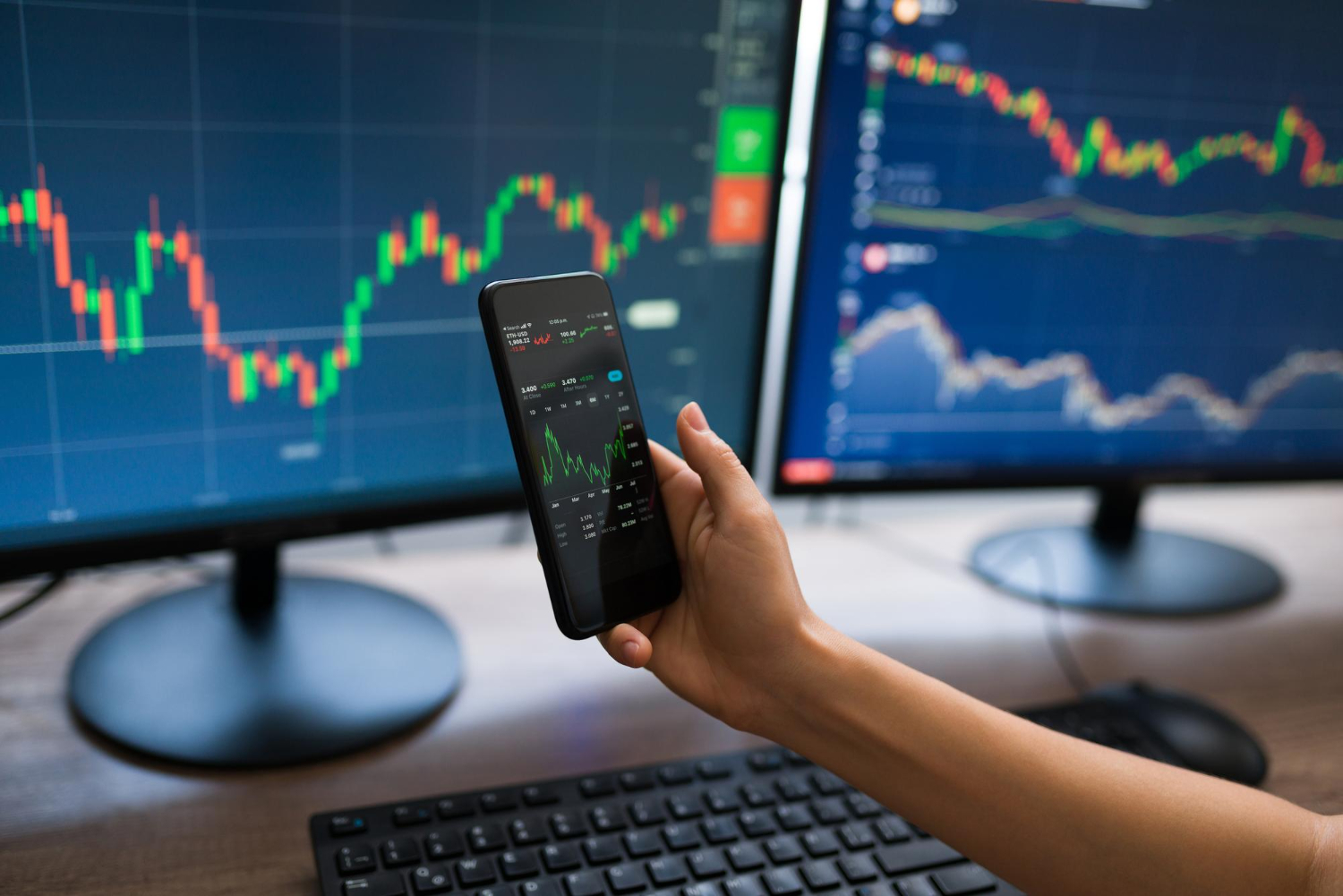
Navigating the complexities of spread trading in the Philippines can often feel like wielding a double-edged sword-offering enticing opportunities while concealing significant risks. Understanding the nuances of market and liquidity risks is crucial for investors seeking to maximize their returns. This article delves into effective risk management strategies, highlights vital regulatory considerations, and provides essential tools for successful trading, enabling Philippine investors to navigate this challenging landscape with confidence.
Understanding Risks in Spread Trading
Navigating the realm of spread trading necessitates a comprehensive understanding of the inherent risks that can influence investment outcomes.
Market Risks
Market risk, often defined by price fluctuations resulting from various economic factors, can have a significant impact on the profitability of spread trades. Key elements such as interest rates, inflation, and geopolitical tensions play essential roles in shaping market dynamics.
For instance, an increase in interest rates typically results in decreased consumer spending, which can adversely affect stock prices.
Geopolitical events, including trade disputes, may also induce sudden market volatility, thereby elevating the risks associated with spread trades. Employing analytical tools such as the Economic Calendar can assist traders in remaining informed about forthcoming data releases and events. Additionally, monitoring the correlations between the S&P 500 and economic indicators, such as unemployment rates, can provide valuable insights into potential market movements.
Liquidity Risks
Liquidity risk occurs when an investor is unable to execute trades promptly enough to avoid potential losses, especially in markets characterized by lower liquidity. For instance, in spread trading, a trader may experience considerable delays when market conditions shift suddenly. If an asset has an average daily trading volume of approximately 10,000 units, a sudden surge in sell orders may surpass the number of available buyers, thereby widening the bid-ask spread. This situation can result in unfavorable pricing or, in some cases, the inability to execute the trade altogether.
In 2023, certain less liquid exchange-traded funds (ETFs) exhibited bid-ask spreads widening by 0.5% during periods of heightened volatility. Consequently, it is essential to evaluate market liquidity prior to executing trades in order to mitigate these risks effectively.
Risk Management Strategies
The implementation of comprehensive risk management strategies is essential for the success of spread trading, as it assists investors in safeguarding their capital.
Diversification Techniques
Diversification techniques involve distributing investments across various asset classes to mitigate risk and enhance potential returns. For effective diversification, one should consider investing in stocks, bonds, real estate, and commodities.
A balanced portfolio might typically include the following allocations:
- 40% in U.S. stocks
- 30% in international equities
- 20% in bonds
- 10% in real estate investment trusts (REITs)
Over the past decade, such a diversified portfolio has yielded an average annual return of approximately 7-8%, in comparison to 10-12% for a purely stock-focused strategy. This illustrates how diversification can reduce volatility while still achieving satisfactory returns.
Regulatory Considerations for Philippine Investors
Philippine investors are required to navigate a complex regulatory environment that governs spread trading practices and protects investor interests. Key regulatory bodies overseeing this landscape include the Securities and Exchange Commission (SEC) and the Bangko Sentral ng Pilipinas (BSP), which mandate compliance with various laws, such as the Securities Regulation Code.
Investors are obligated to adhere to Know Your Customer (KYC) requirements, ensuring that identity verification is thoroughly completed prior to engaging in trading spread activities. Additionally, spread trading platforms must maintain transparency regarding fees and risks, appropriately reflecting this information in their disclosures. A comprehensive understanding of these regulations is essential for mitigating risks and fostering a secure trading environment.
Tools and Resources for Effective Trading
Utilizing the appropriate tools and resources can significantly enhance trading effectiveness, enabling investors to make informed decisions based on sound market analysis.
- Three essential trading tools to consider are MetaTrader 4/5, TradingView, and Thinkorswim.
MetaTrader 4/5 is well-regarded for its comprehensive technical analysis capabilities, facilitating automated trading strategies and backtesting. TradingView, known for its user-friendly interface, provides real-time market data and social networking features, allowing users to easily share insights. Thinkorswim offers advanced charting tools and educational resources, making it an excellent choice for serious traders. While MetaTrader typically offers its services for free, TradingView requires a subscription to access advanced features, whereas Thinkorswim is available at no cost for clients of TD Ameritrade. It is advisable to choose a tool based on individual trading style and budget considerations.